In the competitive world of medical coding, having a standout resume is essential. Your resume…
Respiratory Failure Coding Guidelines

When your respiratory system starts to shut down, it doesn’t mean failure in life, it means the body urgently needs help. With early recognition and proper treatment, what begins as a crisis can often turn into recovery. This blog explores what respiratory failure is, what causes it, and how to apply respiratory failure coding guidelines when assigning principal diagnoses.
Understanding Respiratory Failure
Respiratory failure happens when your lungs can’t get enough oxygen into the blood or can’t remove enough carbon dioxide. When either gas exchange is disrupted, oxygen can’t fuel your organs and carbon dioxide builds up, leading to potentially serious consequences.
(Cleveland Clinic, 2025)
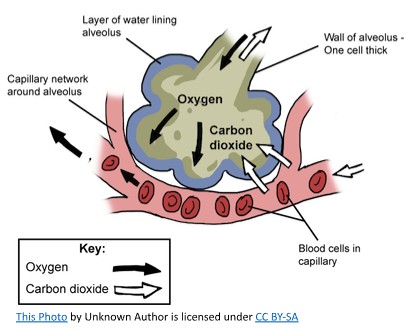
Breathing normally involves oxygen traveling through the lungs and into small air sacs called alveoli. In these alveoli, oxygen moves into the bloodstream while carbon dioxide is exhaled. This gas exchange is vital to survival.
Acute vs. Chronic Respiratory Failure
There are two types of respiratory failure:
- Acute Respiratory Failure (ARF): A sudden onset requiring emergency treatment.
- Chronic Respiratory Failure: A slower-developing condition that can be managed over time.
Symptoms of ARF may include shortness of breath, irregular heartbeat, confusion, fainting, or bluish skin, lips, and nails (cyanosis). These signs depend on the cause, and not all may be present.
Understanding the differences between acute and chronic types is essential when applying respiratory failure coding guidelines, especially when assigning the correct diagnosis code.
Common Causes of Respiratory Failure
Several conditions can lead to respiratory failure, including:
- Chronic Obstructive Pulmonary Disease (COPD)
- Pneumonia
- Stroke
- Pulmonary Embolism
Each of these can impair gas exchange, triggering the onset of acute or chronic failure.
When to Code Respiratory Failure as Principal
According to respiratory failure coding guidelines, respiratory failure should be coded as the principal diagnosis when it’s the main reason for the patient’s hospital admission and is confirmed by a qualified healthcare provider.
Example:
A patient arrives at the Emergency Department with shortness of breath and confusion. Tests are performed, and the provider diagnoses the patient with Acute Respiratory Failure. In this case, respiratory failure is the principal diagnosis and should be coded as J96.0.
Here are additional codes to keep in mind:
- Chronic ARF → Code J96.1
- Acute and Chronic ARF → Code J96.2
While following respiratory failure coding guidelines, be aware that some chapter-specific instructions may override general rules. For conditions like obstetrics, poisoning, HIV, or newborn care, refer to the relevant ICD-10-CM chapter before finalizing code sequencing.
Final Thoughts on Coding ARF
Mastering respiratory failure coding guidelines takes more than understanding the condition, it requires knowledge of ICD-10-CM rules, sequencing priorities, and clinical documentation. With the right tools and attention to detail, accurate coding supports better care and more precise data.
References
- Biggers, A. (2023, February 9). What to know about acute respiratory failure. Medical News Today.
https://www.medicalnewstoday.com/articles/324528#symptoms - Mrgscience.com/topic-64-gas-exchange.html
- Cleveland Clinic. (2025, March 19). Respiratory Failure.
https://my.clevelandclinic.org/health/diseases/24835-respiratory-failure
About the Blogger

My name is Katoya Winston. I’ve been in the medical field for 25 years and currently work as a surgical technician in a surgery center. I began my coding journey in January 2018 at AMCI, earned my CPC in December 2019, and received my CCS in 2021. I am proud to be an intern at AMCI, continuing to grow and share knowledge in the field of medical coding.