In the competitive world of medical coding, having a standout resume is essential. Your resume…
When Ptosis Substantiates Medical Necessity for Blepharoplasty
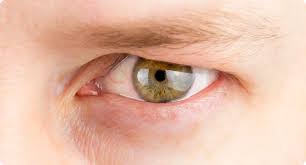
When Ptosis Substantiates Medical Necessity for Blepharoplasty – Ptosis, or drooping of the upper eyelid, is more than just a cosmetic concern, it can significantly impact vision and quality of life. When ptosis impairs visual fields, it may necessitate blepharoplasty, a surgical intervention to correct the condition. Medicare and other insurers may cover this procedure, but specific criteria must be met to substantiate medical necessity.
Understanding Ptosis and Its Impact
Ptosis can be congenital or acquired, affecting one or both eyes. Causes range from age-related muscle weakness to neurological conditions. In severe cases, ptosis can obstruct the superior and peripheral visual fields, making tasks like driving, reading, and walking hazardous.
Medicare and other payers require documentation of functional impairment to approve surgical correction. This includes patient-reported symptoms, objective visual field testing, and photographic evidence.
Documentation for Medical Necessity
Patient Symptoms:
- Difficulty seeing objects in the periphery.
- The need to manually lift the eyelid to see clearly.
- Challenges in daily activities like reading or driving.
Objective Evidence:
- Visual Field Testing: A loss of at least 12 degrees or 30% in the superior visual field with improvement when the eyelid is taped or elevated.
- Photographic Evidence: Images showing the upper eyelid resting on or overlapping the eyelashes.
Photographic Evidence: Images showing the upper eyelid resting on or overlapping the eyelashes
Additional Criteria:
- The condition is not primarily cosmetic.
- Conservative treatments, if applicable, have been unsuccessful.
Coding for Ptosis, Vision Loss, and Blepharoplasty
Diagnosis Coding:
- Ptosis (Unspecified): H02.401 (Right eyelid), H02.402 (Left eyelid), H02.403 (Bilateral eyelids).
- Peripheral Vision Loss: H53.463 (Peripheral field defect, unspecified eye), or specify laterality with H53.461 (Right eye) and H53.462 (Left eye).
Procedure Coding:
Blepharoplasty:
- CPT Code 15823: Blepharoplasty, upper eyelid; with excessive skin weighing down the eyelid (includes correction of visual impairment).
Applicable Medicare Guidelines:
Medicare’s Local Coverage Determination (LCD) policies outline specific requirements for blepharoplasty coverage. Documentation must clearly demonstrate:
- Visual impairment attributable to ptosis.
- Improvement in visual function post-elevation of the eyelid.
Sources:
- Centers for Medicare & Medicaid Services. Medicare Coverage Database: Blepharoplasty.
- CGS Medicare. Blepharoplasty Documentation Requirements.
- Coding Blepharoplasty Checklist: Click Here.
Practical Tips for Coders
- Always ensure documentation supports the diagnosis and procedure codes.
- Sequence the diagnosis codes appropriately, with the condition causing functional impairment (e.g., ptosis) listed first.
- Verify payer-specific requirements for medical necessity to avoid claim denials.
Optimize Your Vision and Coding Accuracy
If ptosis leads to significant functional impairment, blepharoplasty transitions from a cosmetic procedure to a medically necessary intervention. Understanding the coding and documentation requirements ensures appropriate coverage and supports patients in regaining their quality of life. We hope this blog, When Ptosis Substantiates Medical Necessity for Blepharoplasty, has been insightful.
For more expert guidance on medical coding, subscribe to our blog and stay updated with the latest insights and tips in the healthcare industry.